
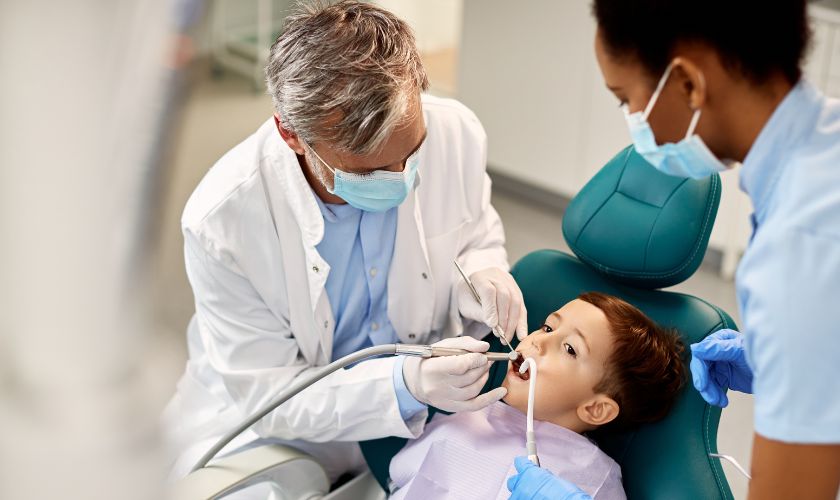
Emergency Dental Care For Kids: What Every Parent Should Know
As a parent, your child’s well-being is your top priority, and that includes their oral health. Dental emergencies can be unsettling, especially when they involve your child. Being prepared and knowing how to respond to dental injuries or sudden pain is crucial. Here’s what every parent should know about emergency dental care for kids:
Common Dental Emergencies:
Dental emergencies in children can include issues like:
- Toothaches
- Broken or chipped teeth
- Knocked-out teeth
- Cuts or injuries to the lips, gums, or tongue
- Loose or dislodged teeth
- Lost fillings or crowns
Immediate Action for Knocked-Out Teeth:
If your child’s tooth gets knocked out, act quickly. Rinse the tooth with water, but do not scrub it. Try to reinsert the tooth gently into the socket, or store it in a container of milk or saliva until you can reach a dentist. Time is critical in saving a knocked-out tooth.
Handling Broken or Chipped Teeth:
For broken or chipped teeth, gather any broken fragments, rinse them with water, and keep them in milk. Rinse your child’s mouth with warm water, and use a cold compress to reduce swelling.
Toothaches:
Toothaches can be caused by various factors, including cavities or dental infections. Clean the area around the painful tooth, rinse the mouth with warm water, and use floss to remove any trapped debris. Avoid placing aspirin or any medication directly on the tooth, as it can harm the gums.
Lost Fillings or Crowns:
If a filling or crown comes loose, keep it if possible and take your child to the dentist. In the meantime, you can apply a small amount of dental cement or temporary dental adhesive to cover the area, but do not use regular household glue.
Preventing Dental Injuries:
Encourage your child to use mouthguards during sports activities to prevent dental injuries. Avoid hard or sticky foods that can damage teeth and maintain good oral hygiene to reduce the risk of cavities and infections.
Emergency Dental Kit:
Consider creating an emergency dental kit that includes gauze, a small container with a lid, saline solution, and the contact information for your child’s dentist. Keep this kit easily accessible.
Consult with a Pediatric Dentist:
Choose a pediatric dentist who is experienced in handling dental emergencies in children. They are equipped to provide the necessary care and create a comfortable environment for young patients.
Regular Dental Check-ups:
Preventive care through regular dental check-ups is crucial for identifying and addressing potential issues before they become emergencies.
Stay Calm:
In a dental emergency, it’s important for both you and your child to stay calm. Your reassurance can help alleviate their anxiety.
The Bottom Line
Dental emergencies can be stressful, but with the right knowledge and preparedness, you can address these situations effectively. By being informed and knowing what to do in the event of a dental emergency, you can ensure the best possible outcome for your child’s oral health and comfort.